.png)

.png)
Understanding Canadian Student Visa Steps: Your Guide to Studying in Canada
- EduXperience Associates Canada
- Dec 30, 2025
- 5 min read

Updated: Jan 16
Planning to study in Canada? That’s exciting! Canada is known for its excellent education system, welcoming communities, and vibrant culture. But before you pack your bags, there’s an important step you need to complete: getting your Canadian student visa. We are here to walk you through the process with clear, simple explanations. Let’s dive into the Canadian student visa steps and what you need to know to make your dream of studying in Canada a reality.
What Is a Canadian Student Visa/Study Permit?
You will enter Canada on a Student Visa, and upon arrival at the port of entry, you will be issued a Study Permit. Study Permit is a document that allows you to study at a designated learning institution (DLI) in Canada. It’s not just a permission slip; it’s your key to living and learning in Canada legally.
You’ll need this permit if your course lasts more than six months. If your program is shorter, you might only need a visitor visa, but it’s best to check the specific requirements.
Getting a study permit means you can:
Attend your chosen school
Work part-time during your studies (up to 24 hours per week)
Work full-time during scheduled breaks
Bring family members with you (in some cases)
Understanding this is the first step to preparing your application.
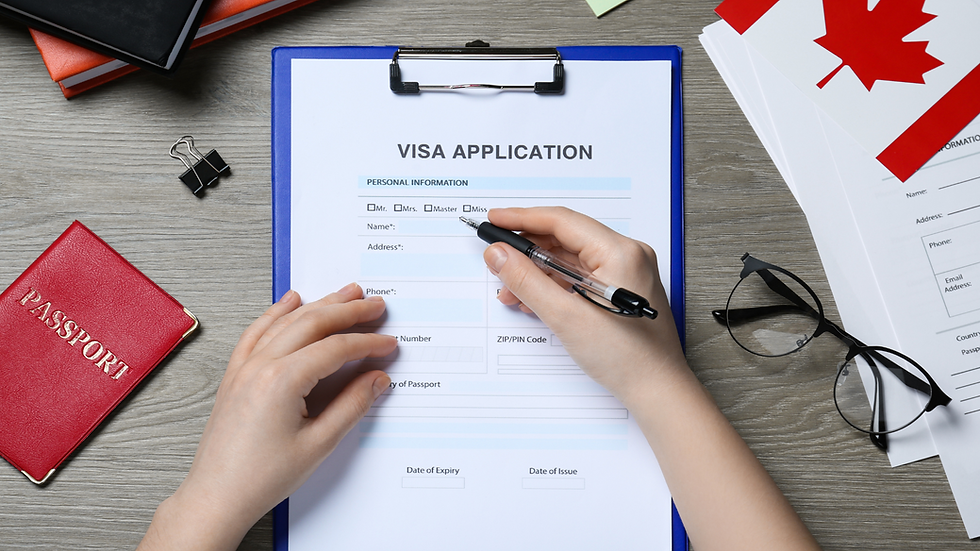
Canadian Student Visa Steps: How to Apply
Applying for a Canadian student visa might seem overwhelming, but breaking it down into steps makes it manageable. Here’s a simple guide to help you through the process:
Step 1: Get Accepted by a Designated Learning Institution (DLI)
Before you apply for a study permit, you must have an acceptance letter from a DLI. These are schools approved by the Canadian government to host international students. Make sure your chosen school is on the list.
Step 2: Gather Your Documents
You’ll need several documents to support your application. These usually include:
A valid passport or travel document
The acceptance letter from your DLI and secure a Provincial Attestation Letter (PAL) from the province or territory where the DLI is located, unless the student qualifies for an exemption
Proof of financial support (bank statements, scholarship letters, etc.)
Passport-sized photos
A letter of explanation (optional but recommended)
Immigration Medical Examination (if required)
Police clearance certificate (if required)
Make sure all documents are clear and up to date.
Step 3: Apply Online or on Paper
You can apply online through the official Government of Canada website or submit a paper application. Online applications are faster and easier to track.
We Offer Comprehensive Support for Your Immigration Needs. Working with us you get a free or low-cost immigration services for preparing, reviewing, and submitting your study permit application.
You will receive an expert guidance and legal support from trusted Canadian immigration lawyers who will assist you throughout the application process, ensuring compliance with immigration regulations.
Step 4: Pay the Application Fee
The study permit application fee is CAD 150. You might also need to pay for biometrics (fingerprints and photo), which costs CAD 85.
Step 5: Provide Biometrics
Most applicants need to provide biometrics at a Visa Application Centre. This step helps the Canadian government verify your identity.
Step 6: Wait for Processing
Processing times vary depending on your country. It’s a good idea to apply well in advance—at least three months before your program starts.
Step 7: Prepare for Arrival
If your application is approved, you’ll receive a Port of Entry (POE) Letter of Introduction. This is not your study permit but a confirmation to show when you arrive in Canada. The actual study permit is issued at the border.
Remember, you must bring all your documents with you when you travel.
Key Requirements for a Canadian Student Visa
Meeting the requirements is crucial for a successful application. Here’s what you need to focus on:
Proof of Acceptance
Your acceptance letter must be official and from a DLI. It should include details like your program, start date, and duration.
Financial Support
You must prove you can support yourself (and any family members coming with you) while in Canada. This includes tuition fees, living expenses, and return transportation.
For example, if you’re studying in Toronto, you’ll need to show funds for tuition plus about CAD 22,000 per year for living costs.
No Criminal Record
You may need to provide a police certificate to prove you have no criminal record. This helps ensure you’re admissible to Canada.
Good Health
Some applicants must complete a medical exam to show they’re in good health. This is especially true if you plan to stay for more than six months.
Intent to Leave Canada
You must convince immigration officers that you will leave Canada at the end of your studies. This is often shown through ties to your home country, like family, a job, or property.
Tips for a Successful Application
Applying for a Canadian student visa can be smooth if you follow these tips:
Start early: Give yourself plenty of time to gather documents and complete the application.
Be honest: Provide truthful information. Any false details can lead to refusal.
Double-check documents: Make sure everything is complete and correctly formatted.
Write a strong letter of explanation: This letter can clarify your study plans and intentions.
Keep copies: Always keep copies of your application and documents.
Stay informed: Check the official Canadian immigration website for updates.
What Happens After You Arrive in Canada?
Once you land in Canada, you’ll meet a border services officer. They will:
Check your documents
Ask questions about your study plans
Issue your study permit
Make sure you have your POE Letter of Introduction, passport, acceptance letter, proof of funds, and any other supporting documents ready.
After you get your study permit, you can focus on settling in and starting your studies. Remember, your study permit is valid for the length of your program plus an extra 90 days. The extra time allows you to prepare to leave Canada or apply to extend your stay.
Working While Studying in Canada
One of the great benefits of a Canadian student visa is the ability to work part-time. This helps you gain experience and support yourself financially.
You can work:
Up to 24 hours per week during regular academic sessions
Full-time during scheduled breaks (summer, winter holidays)
Make sure your study permit includes a condition that allows you to work. If not, you may need to apply for a work permit separately.
Planning Your Post-Graduation Path
Studying in Canada opens doors beyond your education. After graduation, you might want to stay and work in Canada. The Post-Graduation Work Permit Program (PGWPP) allows graduates to work in Canada for up to three years.
To qualify, you must:
Have completed a program of at least eight months at a DLI
Apply within 180 days of receiving your final marks
This is a fantastic opportunity to gain Canadian work experience and possibly apply for permanent residency later.
Studying in Canada is an exciting journey, and understanding the Canadian student visa steps is your first big move. With the right preparation and knowledge, you can navigate the process confidently. Remember, platforms like CanStudyHub are here to support you every step of the way—from choosing the right program to settling in Canada.
Ready to start your adventure? Your Canadian study permit is waiting!
Best Regards,


Comments